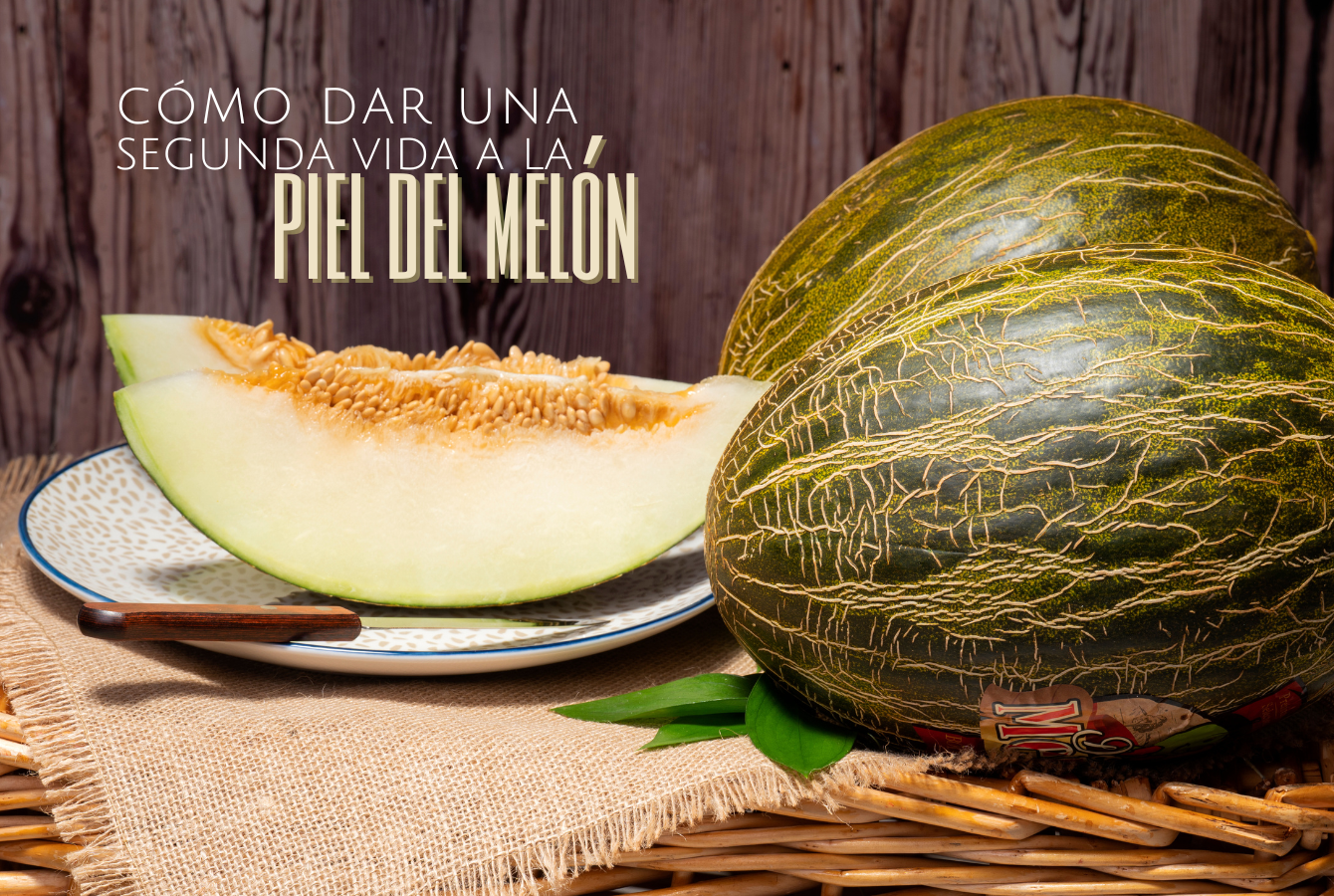
Melon is a refreshing and delicious fruit that is enjoyed all over the world during the summer months. Its juicy, sweet flesh is often the star, but what about the melon's skin? Often, this part is discarded, but today we'll show you how to give melon skin a second life and make the most of this gift of nature.
Benefits of melon skin
Before we get into the details of how to reuse melon skin, it's important to note that this part of the fruit is full of health and beauty benefits. Melon skin contains essential nutrients such as fibre, antioxidants and vitamins that can be beneficial in:
Digestion: The fibre present in melon skin can help improve digestion and prevent constipation.
Hydration: Melon skin contains water, making it an excellent source of hydration, especially on hot days.
Antioxidants: Antioxidants, such as vitamin C, can help protect the body's cells against free radical damage.
Creative uses for melon skin
Now that we know how beneficial this part of the melon can be, here are some creative ways to give melon skin a second life:
Melon skin tea
Melon skin can be dried and used to make a refreshing tea. Wash the melon skin thoroughly, cut it into small pieces and dry it in the sun or in a dehydrator. Then boil the dried skins to make an infusion. This tea can taste light and refreshing and is perfect for hot days.
Melon skin jam
Surprise your taste buds by making a unique jam from melon skin. Cut the melon skin into thin strips, remove the remaining pulp and cook the skin strips with sugar and a little lemon juice until you get a thick and fragrant jam. This jam can be served as an accompaniment to toast or as a special touch in desserts.
Skin care
Melon skin can also be used in your skin care routine. The inner pulp of the skin can be used as a natural face mask. Its water and nutrient content can help to hydrate and revitalise the skin, leaving it soft and radiant.
Composting
If you don't want to use melon skins directly, you can use them as part of your compost. By adding the melon skins to your compost, you are helping to enrich the soil with organic matter and nutrients.
Conclusion
Melon skin, often underestimated and discarded, has a number of health and beauty benefits and can be reused in a variety of creative ways. Whether it's in the form of tea, jam, skin care or as part of your compost, harnessing melon skin is a great way to reduce waste and make the most of this valuable natural resource. Next time you enjoy a melon, consider how you can give its skin a second life and take care of both your well-being and the environment.

